Night Photography & Stargazing in Southern Utah - A Dark Sky Guide
Most people visit Southern Utah for the daylight. But come back after dark - or better yet, stay - and you'll find something that very few places on earth can offer.
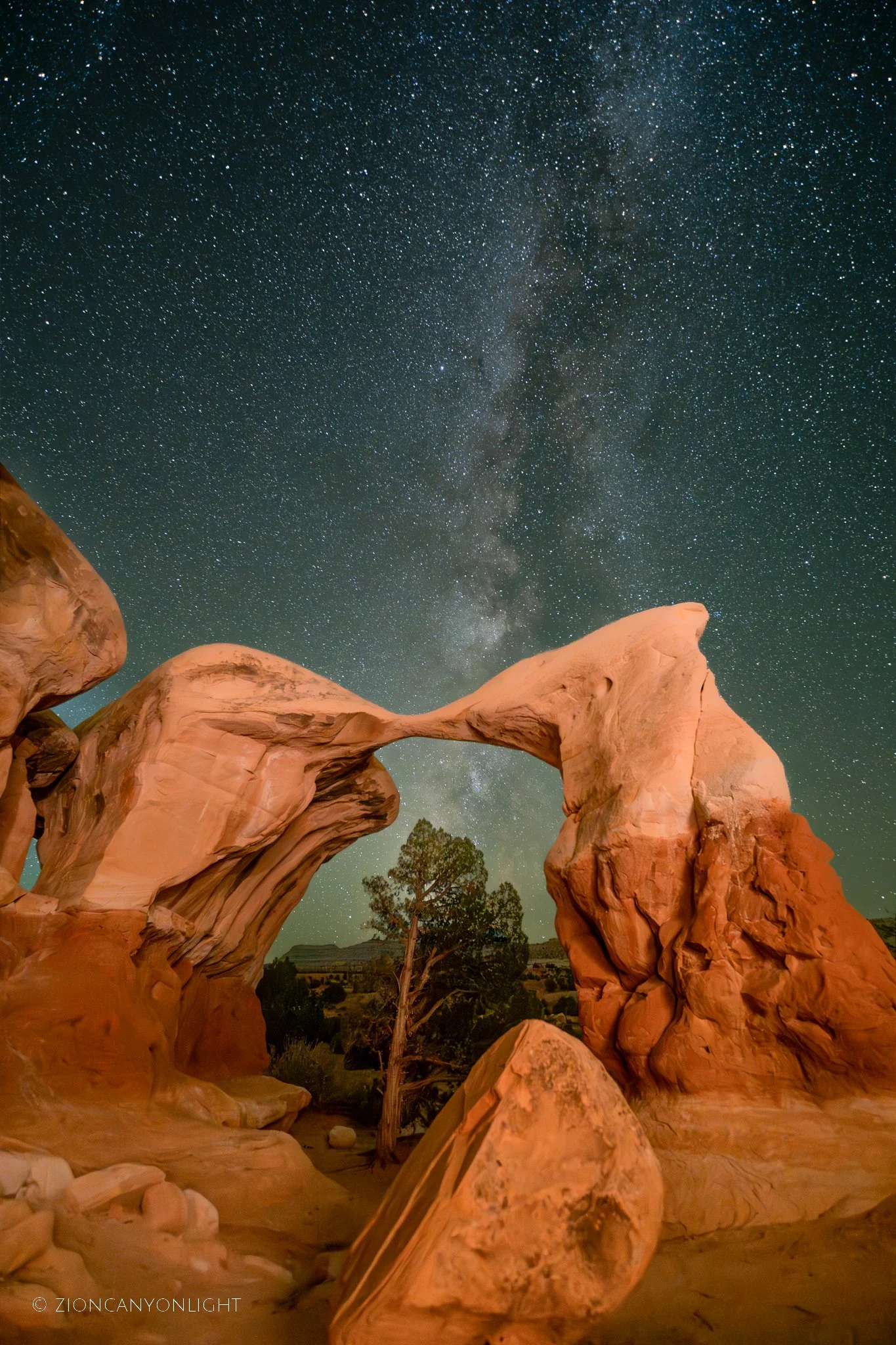
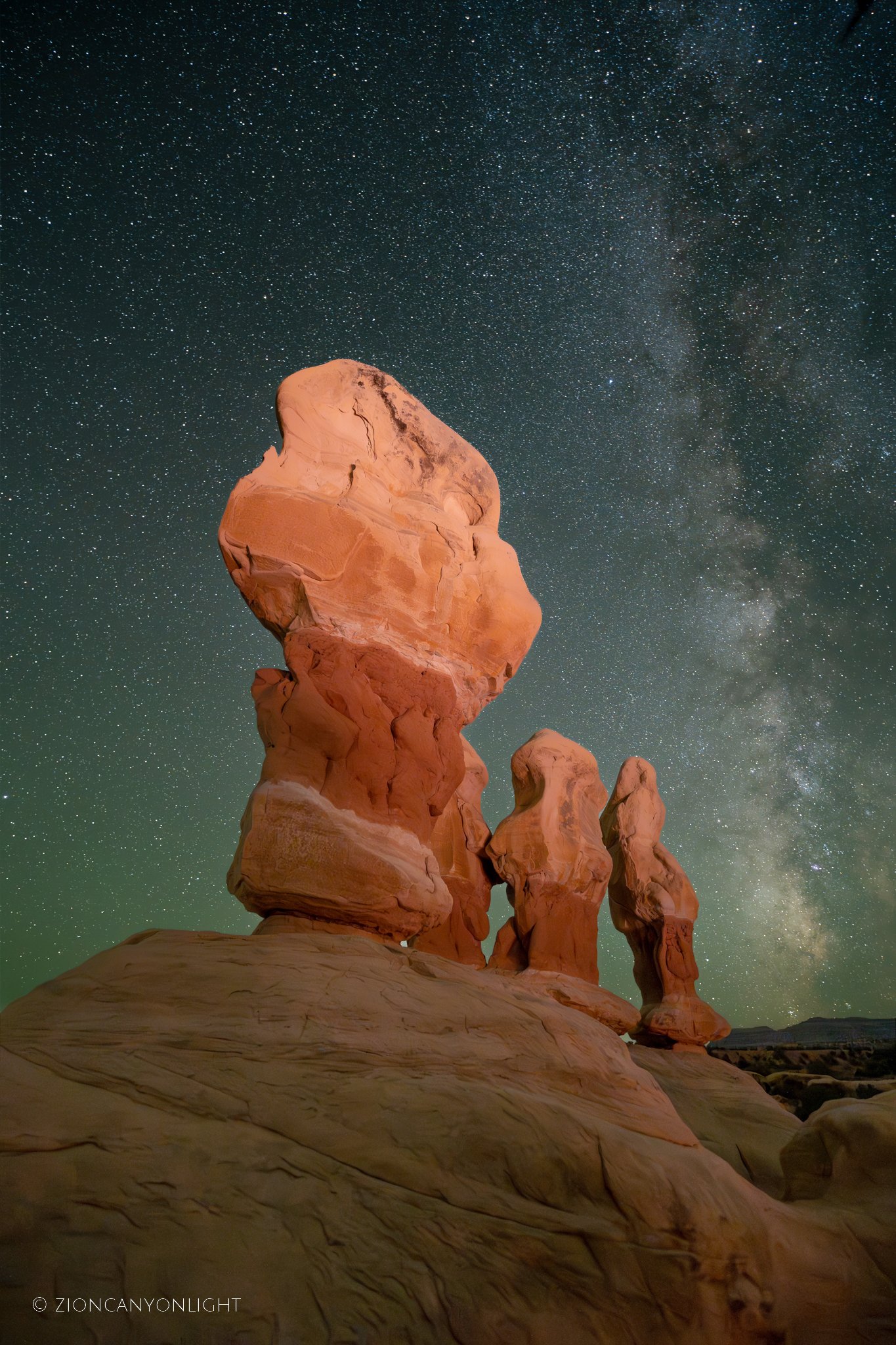
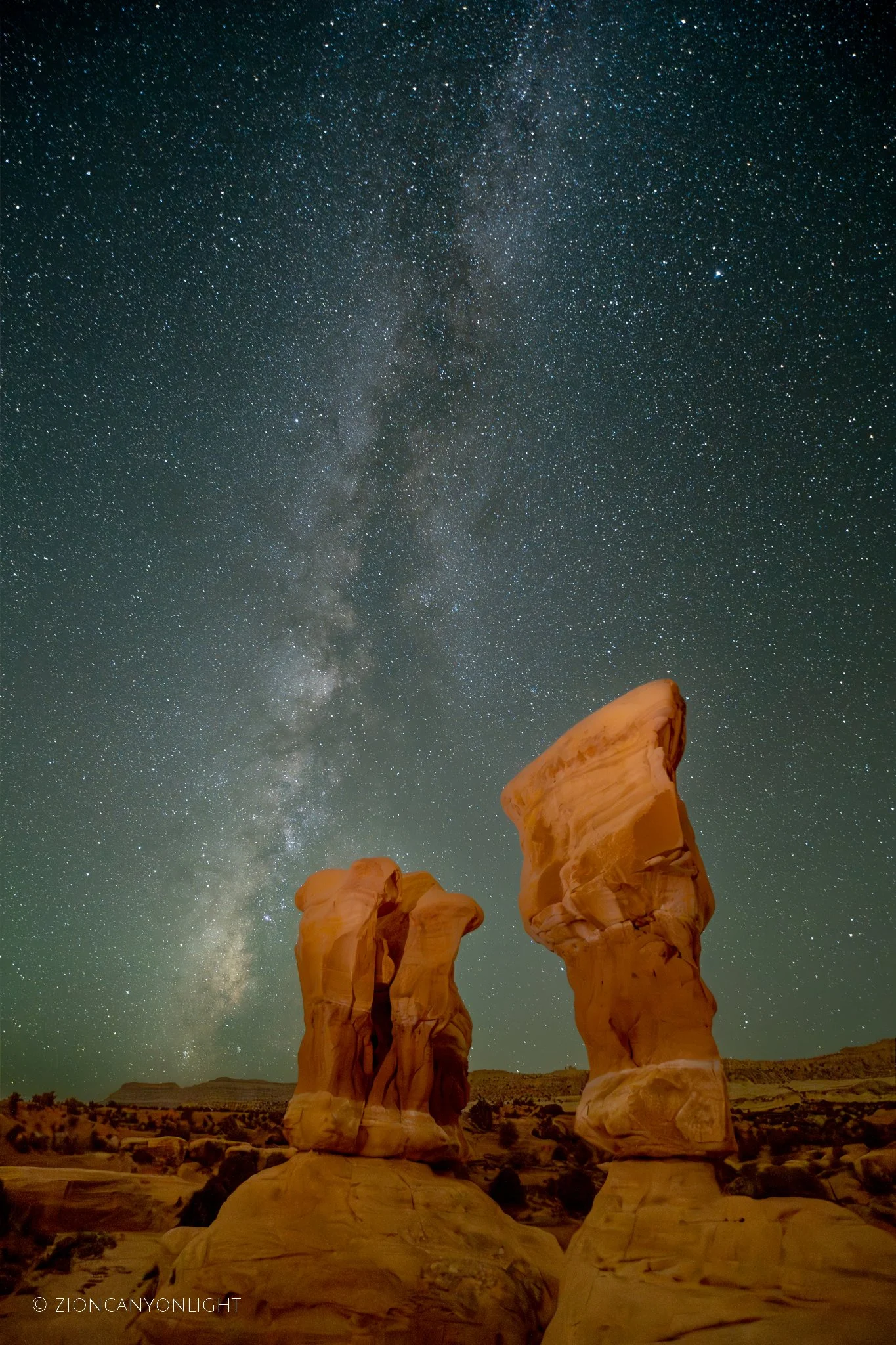
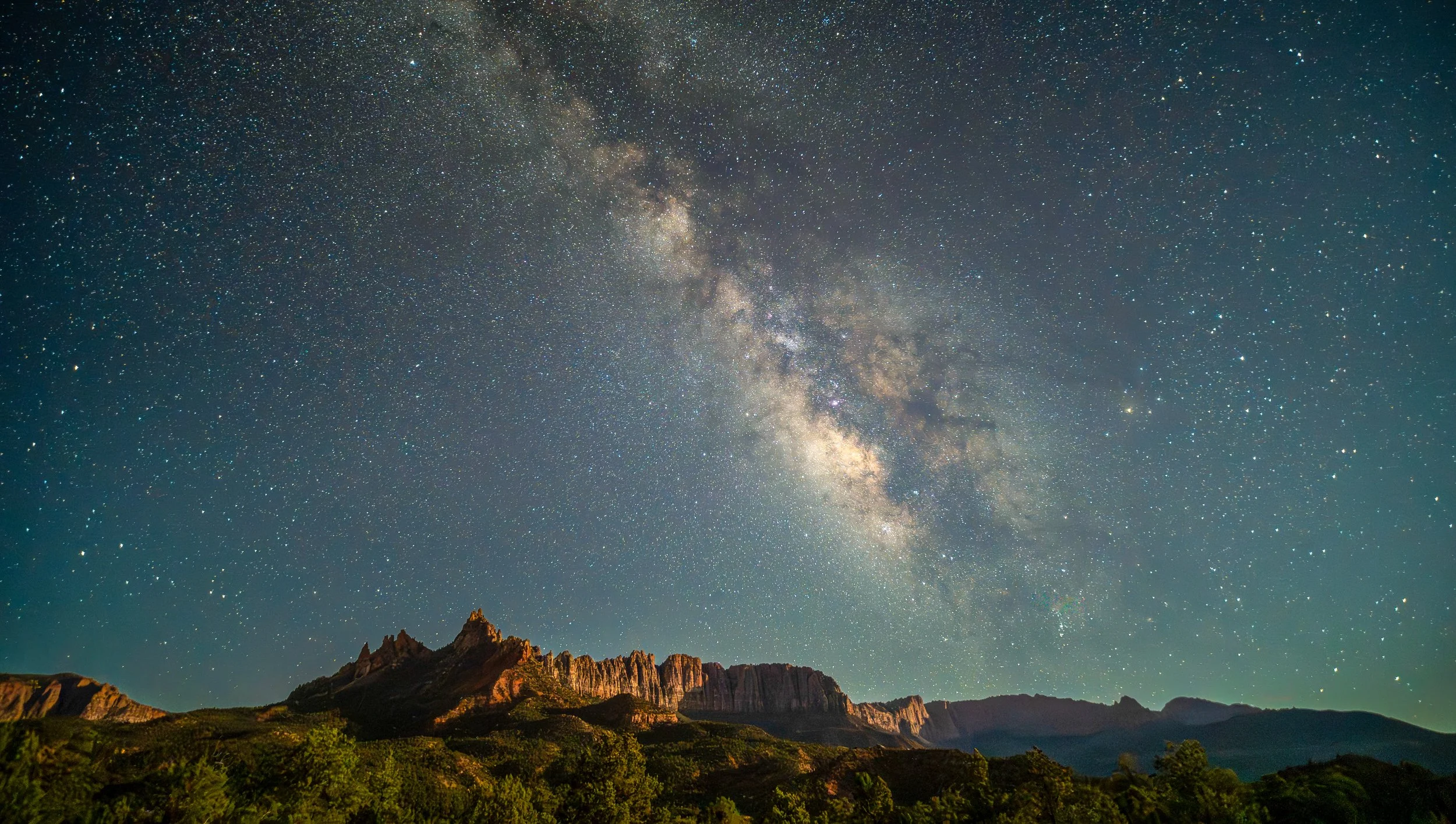
Southern Utah has some of the least light-polluted skies in the continental United States. On a clear moonless night outside Kanab or up on Kolob Terrace, the Milky Way doesn't just appear - it dominates the sky. The canyon landscapes that look extraordinary in daylight become something else entirely at night: stone silhouettes against a river of stars, arches framing the galaxy, slot canyon walls glowing faintly under starlight.
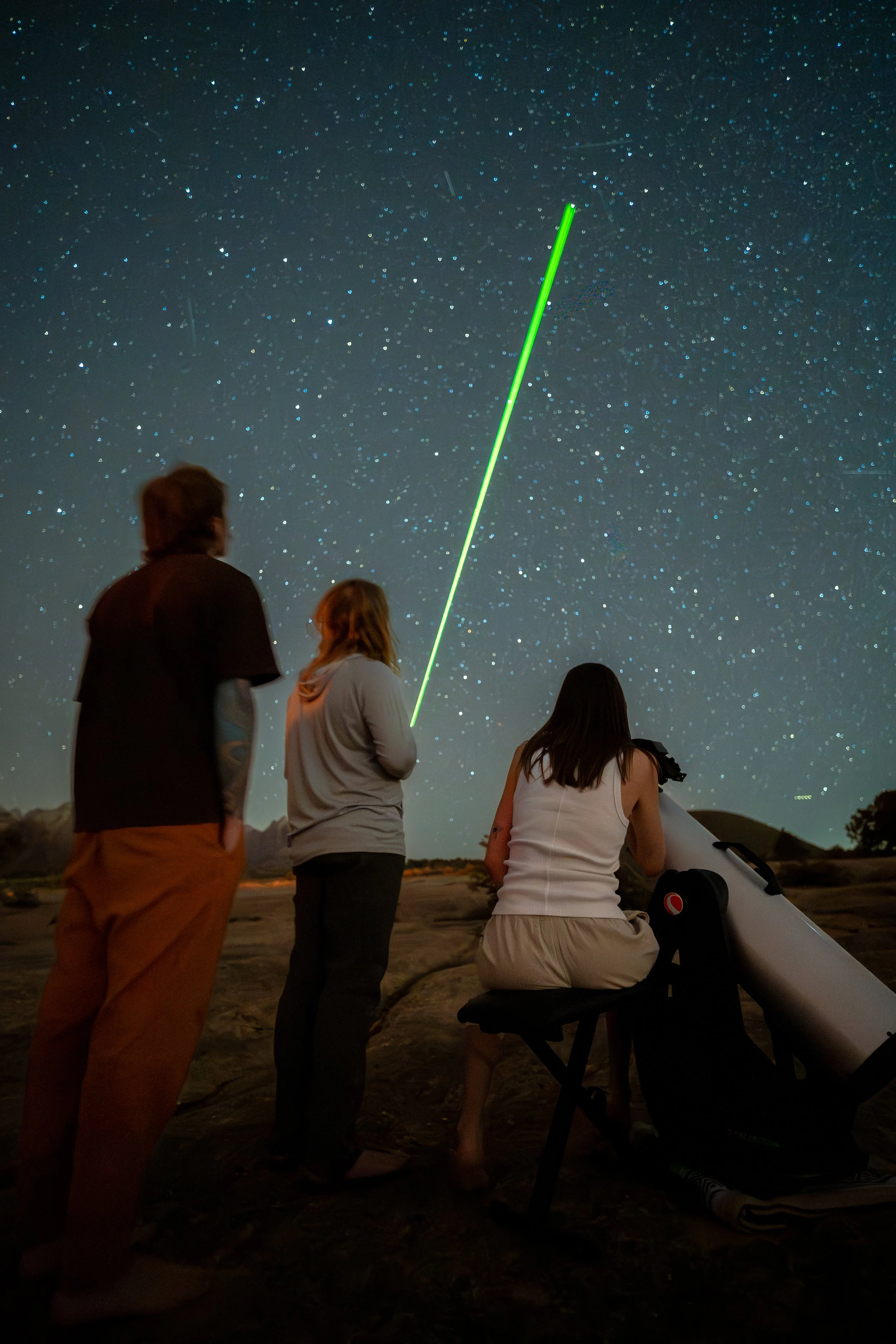
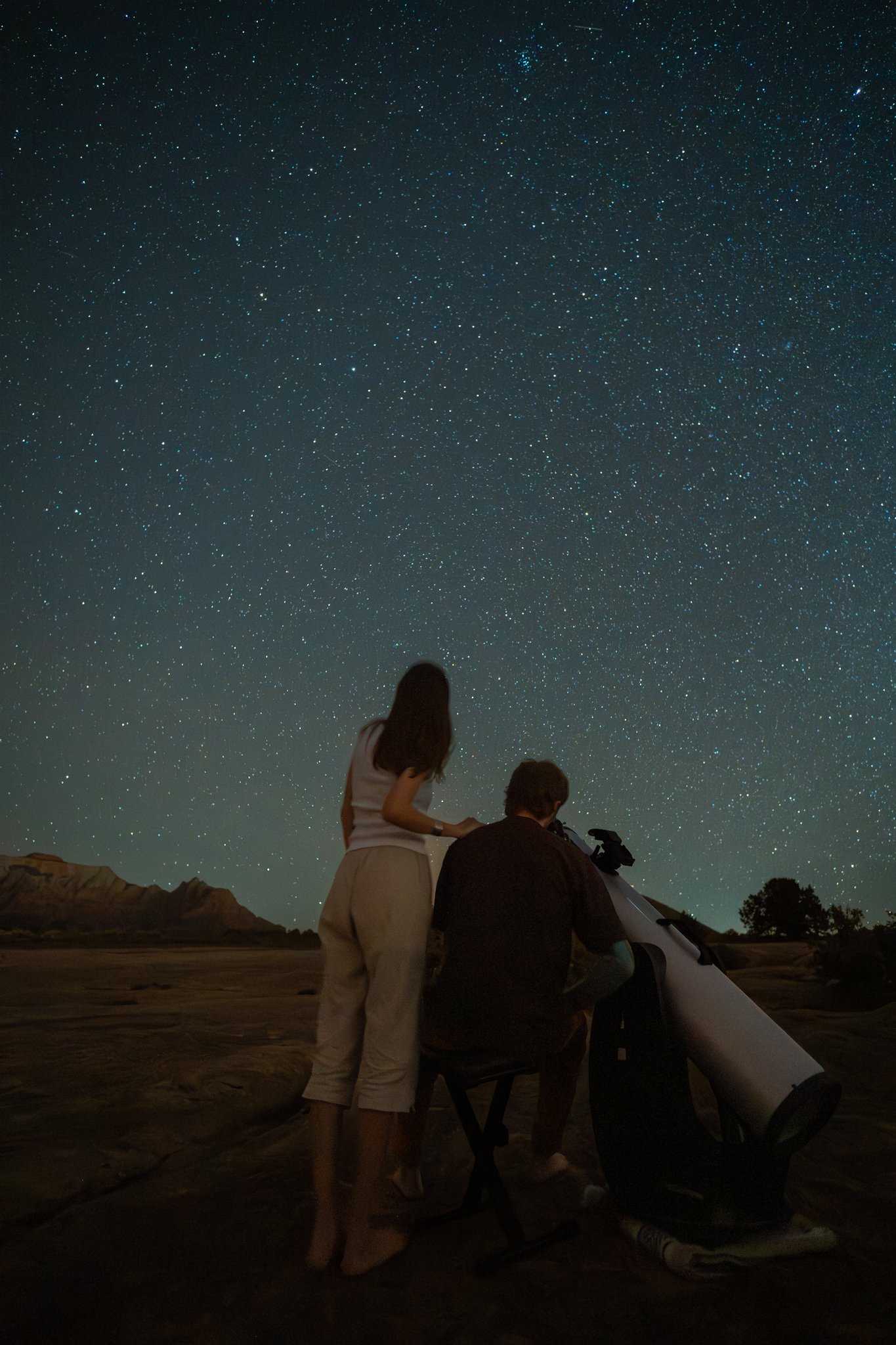
I shoot night photography regularly across this region. And now I'm offering something I haven't seen anyone else do in Southern Utah - a workshop that combines hands-on Milky Way photography instruction with deep sky telescope viewing. Not just the moon and planets. Nebulae. Galaxies. The kind of objects that make people go quiet when they see them for the first time.
Why Southern Utah?
Utah has more International Dark Sky designated locations than any other state. Zion National Park is a certified Dark Sky Park, and the areas around Kanab and Grand Staircase–Escalante rank among the darkest places in the continental US on the Bortle scale.
But what makes this region special isn't just the darkness… It's the combination of dark skies over extraordinary landscapes. Towering sandstone cliffs, ancient arches, desert ghost towns, and the winding Virgin River all become remarkable foreground elements once the Milky Way rises above them. You're not just photographing the sky. You're photographing Southern Utah at its most otherworldly.
The Basics
Night photography rewards preparation. A few essentials to get you started:
Shoot RAW. Wide aperture - f/2.8 or faster. ISO 1600–3200 as a starting point. Shutter speed 15–25 seconds before stars trail. Manual focus set just shy of infinity. Sturdy tripod, remote shutter release, red-light headlamp, and more warm layers than you think you'll need.
Plan around the new moon - a full moon is beautiful but overwhelms the stars. Milky Way season runs late March through October, with the core most dramatic May through August. PhotoPills is the essential planning app.
Post-processing is half the craft. The gap between a flat RAW file and a finished Milky Way image is significant… And it's very learnable. We cover it in the workshops.
The Night Workshop - Photography & Deep Sky Stargazing
This is what I'm most excited to offer.
Our workshop combines Milky Way photography instruction with deep sky telescope viewing under one of the darkest skies in America. The telescope isn't for the moon. It's for things genuinely hard to believe exist - nebulae, star clusters, galaxies so distant that the light reaching your eye has been traveling longer than humans have walked the earth.
I'd rather show you than describe it. That's the point.
Small groups only. Sessions run a few hours after sunset, scheduled around optimal moon phases and seasonal targets. All skill levels welcome.
To book, call or text: 435-668-4519
Email: zioncanyonlight@gmail.com
Instagram: @zioncanyonlight
By Tyler Webb | Zion Canyon Light | Springdale, UT
Zion Canyon Light is based in Springdale, Utah. We offer photography sessions, videography, and workshops across Zion, Escalante, Kanab, St. George, and the wider Southern Utah region.
Related posts:
